
Origin Energy Fights Off a Massive Takeover to Power Australia’s Future
In late 2023, one of the world’s largest private equity consortiums tried to buy Australia’s biggest energy retailer and take it off the stock market entirely. Origin Energy’s shareholders said no twice in one of the most closely watched corporate battles in recent Australian business history. Two years later, the company’s share price has climbed well past what that consortium was ever willing to pay.
This guide covers what Origin Energy actually does, who owns it, what happened during the Brookfield and EIG takeover saga, and how the company has performed financially since fending off that bid.
What Is Origin Energy
Origin Energy Limited is an Australian energy company that generates and retails electricity and gas to homes and businesses across the country. Trading on the Australian Securities Exchange under the ticker ORG, Origin is Australia’s largest energy retailer, serving roughly 4.5 million customer accounts across electricity, natural gas, LPG, and solar.
The company operates through two main divisions. Energy Markets covers everything most Australians directly interact with: generation, retail electricity and gas supply, and a fast-growing battery storage business. Integrated Gas centers on Origin’s 27.5 percent stake in Australia Pacific LNG, a major liquefied natural gas joint venture with ConocoPhillips and Sinopec that exports gas from Queensland’s Surat and Cooper Basins.
Origin has existed as a standalone company since February 2000, when it demerged from Boral Limited and began trading independently on the ASX. Tony Berg served as its first Managing Director, and Frank Calabria has led the company as CEO since 2016.
Who Owns Origin Energy
Origin Energy is a publicly traded company with no single controlling shareholder, which is exactly what made the 2023 takeover fight so consequential. Ownership splits roughly evenly between retail investors, who hold around 50 to 55 percent of shares depending on when you check, and institutional investors, who hold the remainder.
AustralianSuper, the country’s largest pension fund managing more than 300 billion Australian dollars in retirement savings, is Origin’s single largest shareholder, holding approximately 17 percent of the company. State Street Global Advisors and The Vanguard Group each hold roughly 6 percent, and the top 25 shareholders collectively control less than half of the company’s total shares, meaning ownership is genuinely widely dispersed rather than concentrated in a small handful of hands.
That broad ownership base matters because it was AustralianSuper’s 17 percent stake, and its willingness to use it, that ultimately blocked Brookfield’s attempted buyout.
Origin Energy’s Business Segments
Energy Markets
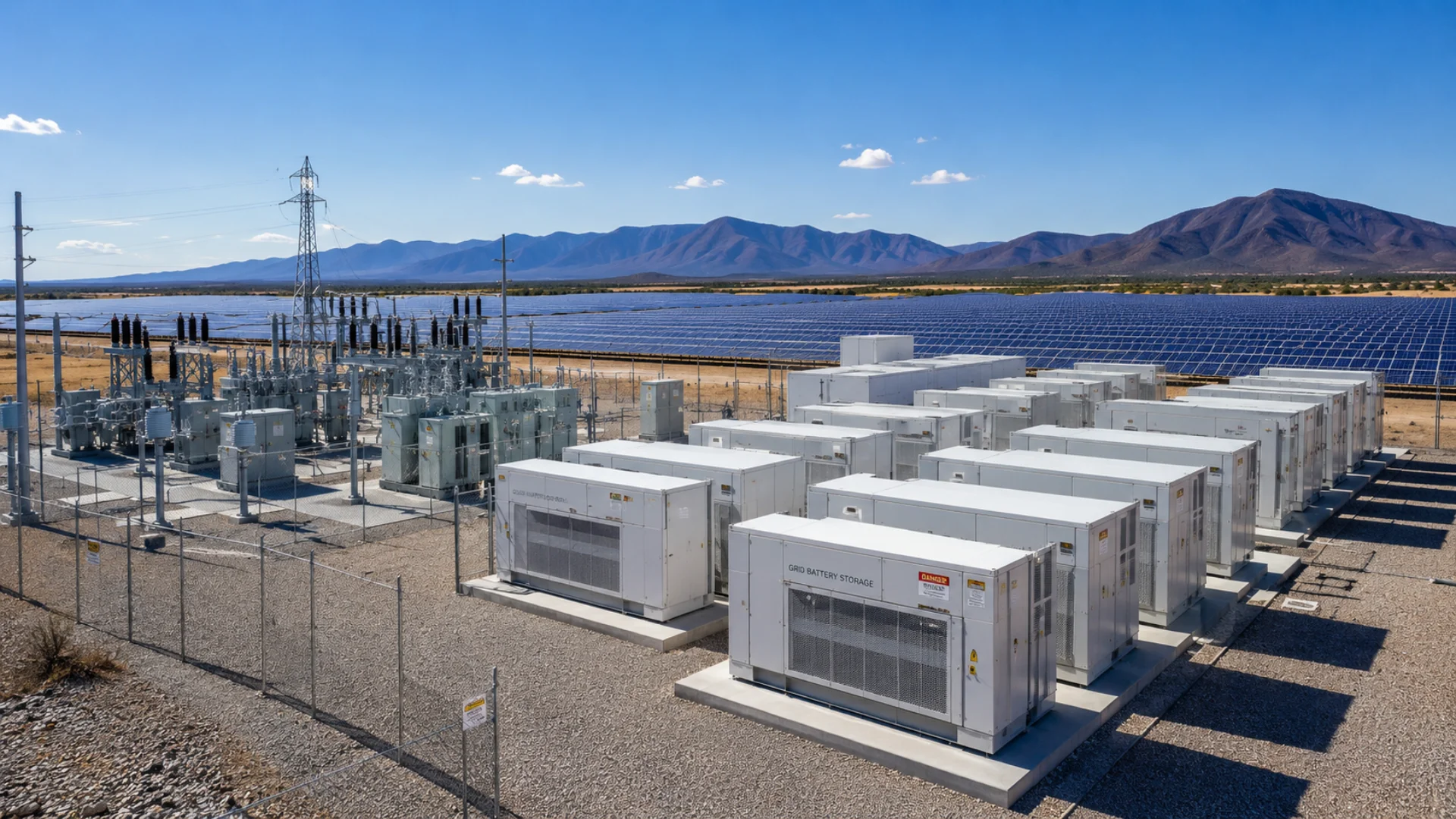
Origin’s largest business by customer footprint is Energy Markets, which sells electricity, gas, and solar to households and businesses across Australia. This segment has increasingly leaned into battery storage as a growth driver, with new battery projects reaching commercial operation and helping Origin capture value from price swings in the wholesale electricity market rather than relying purely on traditional generation.
Integrated Gas and Australia Pacific LNG
Origin’s 27.5 percent stake in Australia Pacific LNG, commonly shortened to APLNG, gives the company exposure to global gas export markets alongside its domestic retail business. For fiscal year 2027, Origin has guided APLNG production toward 625 to 670 petajoules, slightly below the prior year, as the company increases drilling investment to offset natural field decline.
The Octopus Energy Investment
One of Origin’s more unusual assets is its growing stake in Octopus Energy, a UK-based renewable energy retailer known for its proprietary Kraken technology platform. Origin has steadily increased its investment in Octopus over the years, and CEO Frank Calabria has pointed to that stake as a reflection of confidence in Octopus’s management team and technology, along with alignment with Origin’s own energy transition strategy. Kraken has grown to more than 52 million contracted accounts globally, putting it on a path toward 100 million customers by 2027, and some analysts have valued a standalone Kraken business at more than 20 billion.
The Brookfield and EIG Takeover Bid That Failed
The most consequential recent chapter in Origin Energy’s history was a 13-month takeover saga involving Brookfield Asset Management and EIG Global Energy Partners, two major private investment firms that wanted to take the company private.
Brookfield and EIG first approached Origin in November 2022 with an offer valued at around 18.4 billion Australian dollars, or roughly $9.00 per share. After Origin’s board initially supported a revised offer, the deal ran into serious resistance from AustralianSuper, which argued the bid significantly undervalued Origin given its growing profitability, its battery storage investments, and its stake in Octopus Energy.
The consortium sweetened its offer multiple times, eventually reaching $9.43 per share in a complex structure that would have split Origin’s energy markets business from its integrated gas and APLNG assets between Brookfield and EIG, respectively. None of it was enough. At a shareholder vote in December 2023, about 69 percent of ballots supported the deal, well short of the 75 percent threshold required for approval. AustralianSuper’s opposition, representing that critical 17 percent stake, was decisive in sinking the bid.
Origin’s board framed the outcome as a vote of confidence in the company’s own strategy, saying it would focus on accelerating investment in cleaner energy and storage rather than being absorbed into a private consortium. In hindsight, the numbers backed that view. By August 2025, Origin’s share price had climbed to around $13, more than 45 percent above Brookfield’s original per-share offer, and it has continued climbing since on the back of strong earnings.
For context on how energy companies scale investment in battery storage and grid infrastructure more broadly, our coverage of Form Energy’s approach to long-duration battery storage and EnergyX’s lithium extraction technology covers the same broader industry shift toward battery-backed grids that Origin has leaned into with its own portfolio.
Origin Energy’s Financial Performance
Origin Energy posted a strong fiscal year 2026, reporting statutory profit of 1.574 billion Australian dollars and underlying profit of $1.159 billion, according to the company’s own results and coverage from Reuters. Adjusted free cash flow climbed to roughly $2.1 billion, up about 70 percent from the prior year, while net debt relative to underlying EBITDA fell to 1.6 times, below the company’s own target range.
The result beat analyst expectations, driven largely by strength in the Energy Markets division, where trading performance across wholesale electricity and gas markets combined with disciplined retail cost management to produce an earnings surprise. Origin’s board responded by lifting its final dividend, and the stock jumped to its highest level in months following the announcement, trading above $12 per share in the days after the results came out.
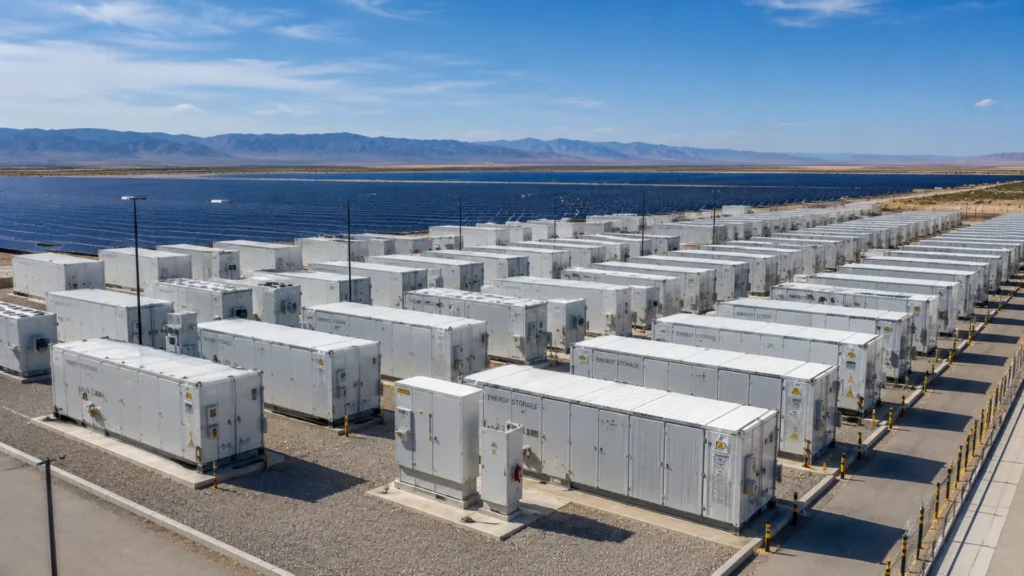
Looking ahead, Origin has guided Energy Markets EBITDA for fiscal year 2027 to between $1.55 billion and $1.85 billion, with management pointing to its expanding battery fleet as a key structural driver of that outlook given its ability to capture value from increasing volatility in electricity prices.
Origin Energy Compared to Other Australian Energy Companies
Origin’s closest domestic competitor is AGL Energy, another major ASX-listed electricity and gas retailer with a similarly large customer base. The two companies have historically dominated Australia’s energy retail market between them, though their strategies have diverged somewhat, with Origin leaning more heavily into its APLNG gas export exposure and its Octopus Energy stake, while AGL has focused more narrowly on its domestic generation and retail transition.
Origin’s scale and diversified business mix, spanning domestic retail, LNG exports, and an international battery technology investment, is part of why AustralianSuper and other shareholders argued the Brookfield bid undervalued the company relative to its true growth trajectory.
Common Mistakes People Make Researching Origin Energy
A few points of confusion come up often enough to flag directly.
Assuming Origin Energy was acquired by Brookfield. The deal was rejected twice by shareholders in 2023 and 2024, and Origin remains an independent, publicly traded company on the ASX.
Confusing Origin Energy with Origin Energy’s Octopus Energy investment as if they are the same company. Origin holds a significant equity stake in Octopus Energy, a separate UK-based company, rather than owning or operating it directly.
Overlooking the difference between statutory and underlying profit in Origin’s earnings reports. Origin, like most large ASX-listed companies, reports both figures, and headlines sometimes cite one without the other, which can make year-over-year comparisons confusing.
Frequently Asked Questions
Who owns Origin Energy?
Origin Energy is publicly traded on the ASX with no controlling shareholder. AustralianSuper is the largest holder with about 17 percent, followed by State Street Global Advisors and The Vanguard Group at roughly 6 percent each, while retail investors collectively hold around half the company.
Did Brookfield successfully buy Origin Energy?
No. Shareholders rejected Brookfield and EIG’s takeover bid twice, in 2023 and again in December 2023, after AustralianSuper argued the offer undervalued the company.
What does Origin Energy actually do?
It generates and retails electricity, natural gas, and solar to Australian households and businesses, while also holding a 27.5 percent stake in the Australia Pacific LNG export joint venture and a significant investment in UK-based Octopus Energy.
How has Origin Energy performed financially recently?
Origin reported statutory profit of $1.574 billion for fiscal year 2026, beating analyst expectations on strength in its energy markets and battery storage business.
Is Origin Energy the same as Origin Energy in the United States?
No. Origin Energy Limited is an Australian company listed on the ASX. There are unrelated companies with similar names operating in other countries, so it is worth confirming you are looking at the correct one.
What is Origin Energy’s stock ticker?
Origin Energy trades on the Australian Securities Exchange under the ticker ORG.
Conclusion
Origin Energy’s shareholders made a costly bet against one of the largest private equity consortiums in the world, and it paid off. Two years after rejecting a takeover Brookfield and EIG were willing to pay nearly $13 billion for, Origin’s stock trades well above that offer price, backed by strong earnings growth, an expanding battery storage business, and a valuable stake in Octopus Energy’s fast-growing Kraken platform.
For more coverage of energy companies navigating the shift toward battery storage and grid modernization, browse our full Tech Companies section, including our profile on Hilcorp Energy, America’s largest private oil and gas producer, for a look at how a very different ownership structure shapes strategy in the energy sector. For more background on Origin Energy’s corporate history, Wikipedia’s entry on Origin Energy is a solid starting point.