
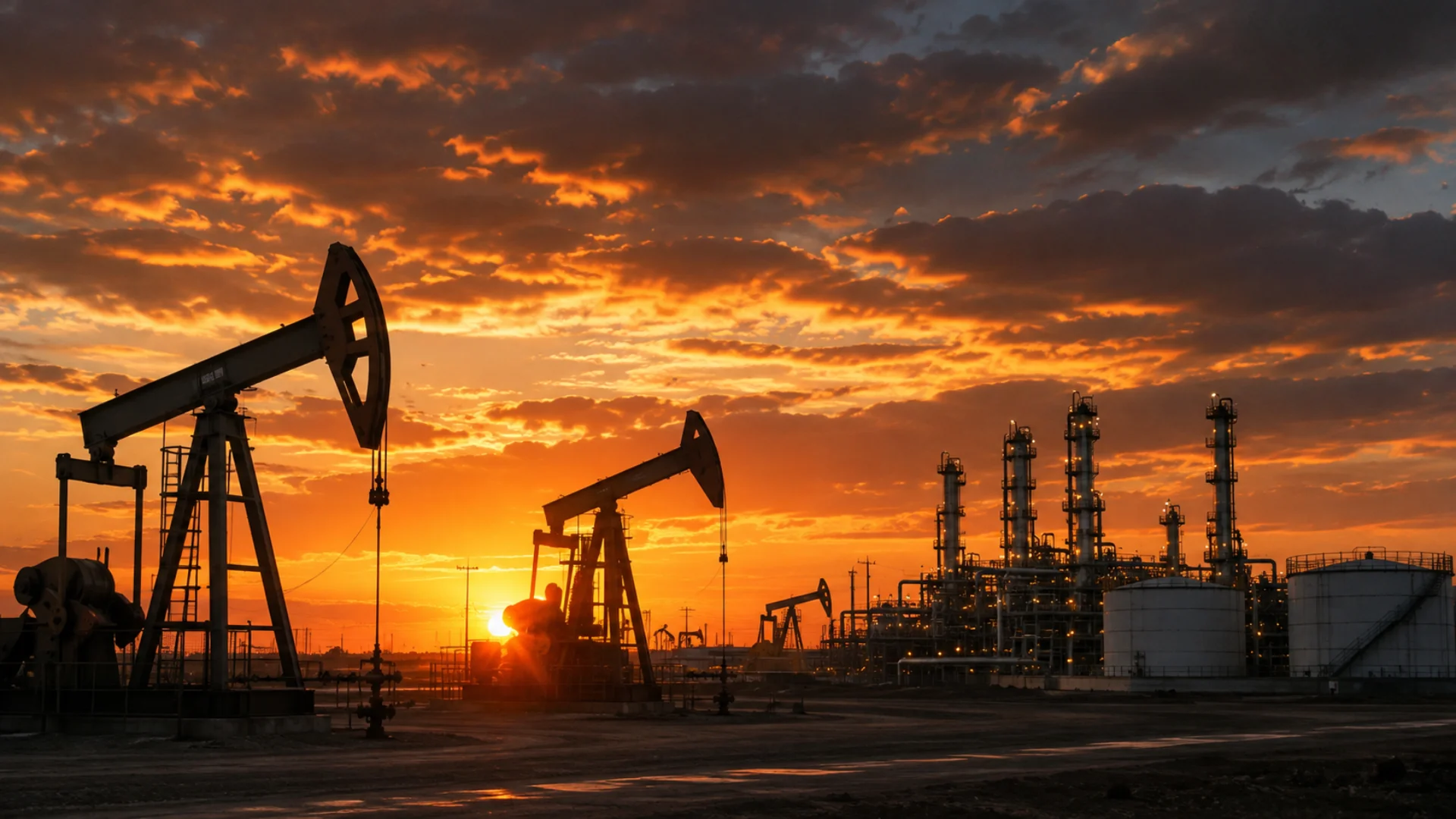
Hilcorp Energy Pays a Massive Price for Clean Air Violations
Most Americans have never heard of Hilcorp Energy, yet it is the largest privately held oil and gas exploration and production company in the country. It runs wells across nine states, dominates natural gas production in Alaska, and has quietly built one of the most unusual corporate cultures in American energy, complete with six-figure employee bonuses and a reputation as one of the best places to work in the industry.
Hilcorp has also landed in the news for a different reason recently: multimillion-dollar settlements with the EPA over Clean Air Act violations in Pennsylvania and New Mexico. This guide covers what Hilcorp Energy actually does, who runs it, whether there is a Hilcorp Energy stock price you can buy into, what its jobs and culture are like, and what happened in its recent environmental settlements.
What Is Hilcorp Energy
Hilcorp Energy Company is a privately held American oil and gas exploration and production company headquartered in Houston, Texas. Founded in 1989, it has grown into the largest privately owned oil and gas producer in the United States, with active production operations in Alabama, Alaska, Colorado, Louisiana, New Mexico, Ohio, Pennsylvania, Texas, and Wyoming.
The company produced roughly 367,300 barrels of oil equivalent per day in 2025, according to figures published on its own site. Its most significant regional presence is in Alaska, where Hilcorp is the state’s largest natural gas producer, highlighting how energy infrastructure is evolving alongside clean technology breakthroughs like Exponent Energy’s 15-minute EV charging, and it holds the largest single ownership share of the Trans-Alaska Pipeline System following its 2020 purchase of BP’s Alaska assets for roughly $5.6 billion.
Hilcorp’s core strategy has stayed consistent since its founding, acquiring mature assets in major buyout deals similar to energy producers like Origin Energy in Australia’s energy market, then applying leaner operations and more aggressive engineering to extract more value from them than the previous owner did.
Hilcorp Energy Founder and Leadership
Hilcorp Energy was founded in 1989 by Jeffery Hildebrand, a geologist and petroleum engineer who studied at the University of Texas at Austin before working at Exxon and other firms early in his career. Hildebrand co-founded the company and later bought out his original partner for $500 million in 2003, becoming its sole owner.
Hildebrand stepped down as CEO in 2018 but remains Hilcorp’s founder and Executive Chairman. Greg Lalicker took over as CEO at that time and continues to lead day-to-day operations. Hildebrand’s fortune, estimated by Bloomberg at somewhere between 10 billion and $12.6 billion depending on the valuation method used, comes almost entirely from his ownership stake in Hilcorp, since the company does not have other major public business lines beyond its midstream affiliate, Harvest Midstream, and investment vehicle, JDH Capital.
Does Hilcorp Energy Have a Stock Price
No. People searching for Hilcorp Energy stock price will not find one, because Hilcorp is privately held and does not trade on any public stock exchange. Jeffery Hildebrand remains the company’s sole owner, according to a company spokesperson cited by Bloomberg, which means there are no publicly traded shares available through a regular brokerage account.
Because Hilcorp does not release detailed financials, analysts estimate its performance using indirect methods. Bloomberg calculates an estimated revenue figure by multiplying Hilcorp’s annual production by the average price of West Texas Intermediate crude oil, then compares the result to valuation multiples from publicly traded peers like Chord Energy, APA Corp, and Northern Oil and Gas. Using that method, analysts have put Hilcorp’s annual revenue above $10 billion as of 2025, though this remains an estimate rather than a disclosed figure.
If you are looking for public market exposure to the oil and gas sector, you would need to look at Hilcorp’s publicly traded peers rather than Hilcorp itself, since there is currently no indication the company plans to pursue an IPO.
How Hilcorp Actually Makes Money
Hilcorp’s business model centers on a strategy sometimes described in the industry as buy, optimize, and hold. Instead of taking on the higher risk of exploring for brand new oil and gas deposits, Hilcorp buys mature fields that larger, often publicly traded companies consider past their prime, then applies more hands-on operational management to keep them producing profitably for longer.
This approach has driven several major acquisitions over the years, including the 2020 purchase of BP’s Alaska assets, a 2024 deal to acquire Nikaitchuq and Oooguruk oil field assets in Alaska from Eni for roughly $1 billion, and a 2026 agreement through its Harvest Midstream affiliate to acquire natural gas gathering and processing assets from MPLX for approximately $1 billion.
The Employee Ownership Incentive
A key part of how Hilcorp funds this strategy is an internal culture built around treating employees like owners. The company became widely known in the energy industry after a December 2015 announcement that it would pay every employee a $100,000 bonus after the company hit certain performance targets, a move that applied to more than 1,300 employees at the time. That kind of incentive structure has continued to shape Hilcorp’s reputation as an employer, which brings us to the next question people commonly search for.
Hilcorp Energy Jobs and Company Culture
Hilcorp Energy jobs are known in the industry for above-average compensation tied directly to company performance, and the company has built a reputation as one of the better places to work in oil and gas. Hilcorp has been named to Fortune’s 100 Best Companies to Work For list for multiple years running, and it holds Great Place to Work certification, with the organization reporting that 93 percent of Hilcorp employees say it is a great place to work, compared to 57 percent at a typical U.S. based company.
With roughly 3,400 to 3,600 employees as of 2025, including about 1,500 in Alaska alone, Hilcorp positions itself around an entrepreneurial, ownership-minded culture. The company describes encouraging its workforce to think and act like owners rather than employees, which lines up with the periodic large bonus payouts tied to hitting company-wide performance goals.
For readers interested in how other large, privately held companies structure their culture and operations without the disclosure requirements that come with being public, our profile on Koch Industries and its private, employee-driven operating model covers a similar dynamic in a different corner of American industry.
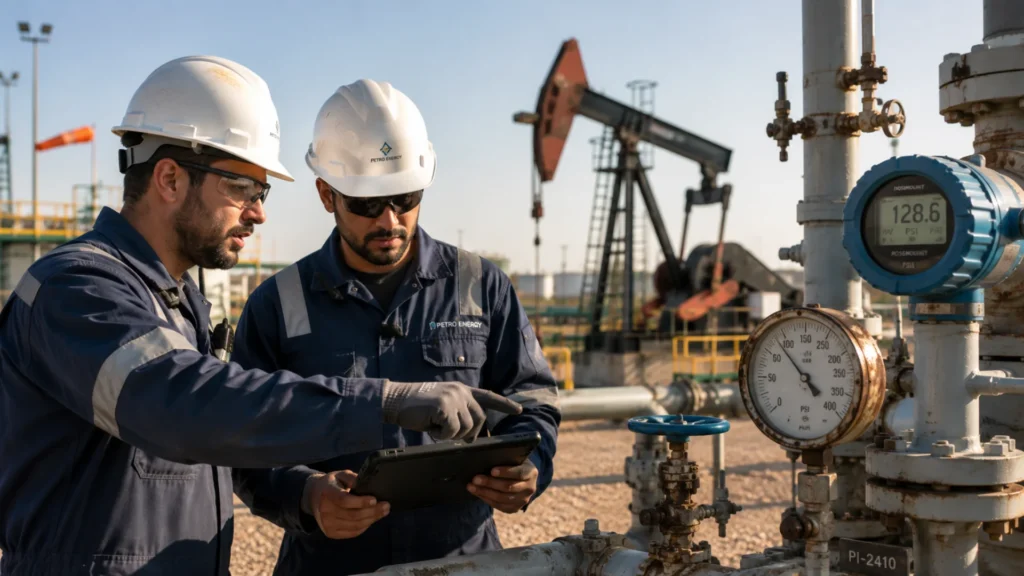
Hilcorp Energy’s Environmental Violations and EPA Settlements
Hilcorp’s growth has come with a recurring pattern of environmental enforcement action, and two recent settlements have drawn particular attention.
The Pennsylvania Settlement
In November 2024, the EPA, Department of Justice, and Pennsylvania Department of Environmental Protection settled with Hilcorp, resolving Clean Air Act and Pennsylvania Air Pollution Control Act violations at six of the company’s facilities in Lawrence and Mercer counties. The complaint alleged that Hilcorp failed to properly route vapors, including volatile organic compounds and methane, to required control devices at several sites, and operated one facility without a proper permit. Hilcorp agreed to pay a civil penalty of $1.275 million, split evenly between the federal government and the state, along with roughly $1.65 million in required compliance projects.
The New Mexico Settlement
A separate and larger settlement came in October 2024, when Hilcorp agreed to pay a $9.4 million civil penalty to resolve Clean Air Act violations in New Mexico’s San Juan Basin. The EPA alleged that Hilcorp vented more than 500 tons of volatile organic compounds and over 1,200 tons of methane during well completion operations at 145 wells, including sites on Jicarilla Apache and Navajo Nation lands. This case was notable as the first enforcement action of its kind targeting violations of Clean Air Act New Source Performance Standards specifically tied to well completions following hydraulic fracturing. As part of the settlement, Hilcorp is required to use non-emitting process control equipment on tribal lands and bring in a third-party EPA-approved auditor to verify ongoing compliance.
Both settlements were part of the EPA’s broader National Enforcement and Compliance Initiative targeting methane emissions from oil and gas operations, an effort the agency has framed as central to addressing near-term climate impacts tied to fossil fuel production.
Hilcorp Energy Compared to Other Private Energy Companies
Hilcorp’s position as the largest private oil and gas producer in the country puts it in a different category than most companies covered in energy news, since the vast majority of major oil and gas producers are publicly traded and subject to SEC disclosure requirements Hilcorp simply does not face.
That contrast becomes clearer when you look at newer climate-focused energy companies working through venture funding rounds and public disclosures on the way to scale, the kind of company we cover in our profiles on Form Energy’s approach to grid-scale battery storage and EnergyX’s lithium extraction technology. Those companies operate under intense investor scrutiny and regular funding disclosures. Hilcorp, by contrast, has scaled to a scale rivaling major public producers while disclosing almost nothing about its finances beyond what regulators require through environmental filings and settlement documents.
Common Mistakes People Make Researching Hilcorp Energy
A handful of points of confusion come up often enough to flag directly.
Assuming Hilcorp Energy is publicly traded because of its size. Despite being the largest private oil and gas producer in the country, Hilcorp has no public stock ticker and remains solely owned by Jeffery Hildebrand.
Confusing the 2024 Pennsylvania and New Mexico settlements. These were two separate enforcement actions announced within weeks of each other, involving different states, different violation types, and different penalty amounts, which makes it easy to mix up the details.
Underestimating how much of Hilcorp’s growth comes from acquisitions rather than new drilling. The company’s core strategy has always centered on buying and optimizing existing fields rather than exploring for new ones.
Frequently Asked Questions
Who founded Hilcorp Energy?
Jeffery Hildebrand founded Hilcorp Energy Company in 1989 and remains its Executive Chairman and sole owner, though Greg Lalicker has served as CEO since 2018.
Does Hilcorp Energy have a stock price?
No. Hilcorp is privately held and does not trade on any public stock exchange, so there is no publicly available share price.
What did Hilcorp Energy settle with the EPA over?
In 2024, Hilcorp reached two separate settlements, paying $1.275 million over Clean Air Act violations in Pennsylvania and $9.4 million over similar violations tied to well completions in New Mexico’s San Juan Basin.
Is Hilcorp Energy a good place to work?
According to Great Place to Work certification data, 93 percent of Hilcorp employees describe it as a great place to work, and the company has appeared on Fortune’s 100 Best Companies to Work For list multiple times, partly due to its performance-based bonus culture.
How big is Hilcorp Energy?
Hilcorp employs roughly 3,400 to 3,600 people, operates in nine U.S. states, and produced about 367,300 barrels of oil equivalent per day in 2025, making it the largest privately held oil and gas producer in the country.
Where is Hilcorp Energy based?
Houston, Texas, with major operations concentrated in Alaska, where it is the state’s largest natural gas producer.
Conclusion
Hilcorp Energy has built an unusual position in American energy: massive in scale, entirely private, and known as much for its employee ownership culture and six-figure bonuses as for the environmental violations that have led to millions of dollars in EPA penalties. There is no Hilcorp Energy stock to buy, and the company discloses little about its finances, but its footprint across nine states and its role as Alaska’s largest gas producer make it one of the most consequential companies in American energy that most people have never heard of. For more background on Hilcorp’s corporate history, Wikipedia’s entry on Hilcorp is a solid starting point.